Showing posts with label animal. Show all posts

Tuesday, February 19, 2019

#12 Nature Connections for February

February Nature Connections


Outside or inside, winter weather brings lots to do.

February is a good month for skiing!


I went skiing at the Camden Snow Bowl over the weekend. It was around 25 degrees out although weather bug said that it felt more like 5 degrees. When I got to the mountain it was snowing big fat snowflakes. There was no sun shinning so I had to wear my clear goggles so I would be able to see.


The mountain was beautiful, you could see through the trees all the way to the top of the mountain and if you looked behind you while you were on the chair lift you can see the water.  Skiing is a great fun and active activity for students to do. In the midcoast area the Snow Bowl will partner up with the local schools and give the students free lessons on how to ski and snowboard. All the school has to do is bring the students over on the bus and the Snow Bowl does the rest. Its a great opportunity for some students who wouldn't have been able to afford lessons on their own outside of the school setting.


Books:


Activities:


Animal tracks:


I live in the woods so you can always spot all kinds of animal tracks, at my mothers house across the front yard I found tracks for crows, bunnies and a family of deer tracks. There was also cat tracks near the porch where we took my indoor cat outside and put her paws in the fresh snow to see how she would react. 

Crow Tracks
Cat Prints

Rabbit Tracks

Deer Tracks


Books:


Activities:


Looking at Trees:


One thing I love to do it take pictures of trees, all in different seasons. Here you can see a lot of trees in the winter because that is the current season. But you can also see a local apple tree, a maple tree, and the Christmas tree that my Dad and I picked out for this past Christmas.

This is a great activity for students to do throughout the year. They can all pick a tree and photograph it through out the different seasons and they can see how the tree changes. 

Books:


Activities:


Thursday, February 14, 2019

#11 Insects and Small Animals

Insects 

https://www.coolkidfacts.com/insect-facts/


  • Did you know that there are between six and ten million different types of insects, and that they come in thousands of shapes, colors and sizes?!

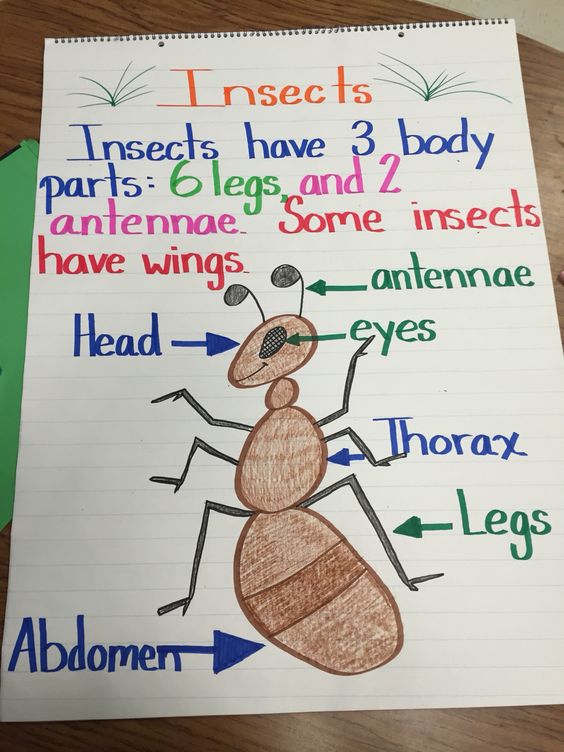
  • All insects have three parts to their bodies: the head, the abdomen, and the thorax. They have two antennae on their head and have six legs. Insects are cold-blooded, which means that their body temperature changes depending on how warm or cold the air around them is. Most insects hatch from eggs.


  • Insects can be found in almost every type of environment in every country in the world. The only environment insects are not commonly found is the ocean.

  • What an insect eats is as different as the types of species there are. About half of all insects are herbivores, which means that they eat only plants. These plant-eating insects feed on leaves, roots, nectar from flowers, seeds, or wood. Some insects are known as predators that hunt other small insects and animals.

  • Many people think of insects as pests that can be annoying and irritating, there are actually many insects that benefit the environment and humans. Insects like wasps, bees, butterflies, and ants all help to pollinate flowers when they are collecting nectar from them. 


  • Cicadas are the loudest of all insects, and they are able to make sounds with special changes in their bodies. Insects will communicate with each other to signal each other, warn about predators, try to attract a mate, or send a message.


Videos:


Activities:
I have included a range of activities for Pre-K all the way to middle school.


Books:


Small Animals:


Rabbit:


  • A female rabbit is called a doe.
  • A baby rabbit is called a kitten or a kit.
  • Male rabbit is called a buck.
  • All rabbits except cottontail live underground.
  • They live in groups.
  • They have 5 toes on their front paws and only 4 on their back paws.
  • Their ears can be more than 10 inches long.
  • Rabbits sleep with their eyes open.
  • More than half of the world rabbit population lives in North America.


  • Of all the wild animals in the United States, rabbits are one of the most common. Cottontail rabbits, with their soft brown fur and white fluffy tails, are found in almost every state. They live in woods, grassy fields, near farms and even in neighborhoods.

  • Rabbits and hares aren’t the same thing. Hares have longer ears than rabbits and longer legs. They don’t live in underground dens. Hare babies are born with hair; rabbit babies are born naked.

  • In the summer, rabbits eat grass, wild strawberries, garden vegetables and some flowers. In the winter, they survive on woody stems and even the bark of some trees.

  • Rabbits are most active at sunset and at dawn. During the day, they hide under bushes, logs or even old sheds. Remember Peter the Rabbit hiding from Mr. McGregor? When rabbits are scared, they freeze and scrunch down to hide.

  • Rabbits build underground burrows to live in. The burrows have tunnels and a large room.


Activities:


Books: